

Is long division giving you the blues? I feel you. I promise there are hundreds of teachers out there scratching their heads, wondering how to teach long division.
When did something so simple become so complicated?
First off, this post only covers single-digit divisors (aka 4th grade division). For 2-digit divisors (aka 5th grade division), here you go!
Table of Contents
The 5 Game-Changing Long Division Tips
Division Tip 1: You Can’t Teach Long Division Without Fact Fluency
Time for some tough love.
We need fact fluency.
Don’t hand them a multiplication chart and assume it’ll do the trick. Don’t hang the multiples on the wall and expect them to divide. They won’t. That’s like skipping phonics and handing a kid Hamlet. They may eventually “read it”, but they’ll have no earthly idea what’s going on.
If a student has to stop and check a multiplication chart at every step, they will not master long division. I’m sorry if that’s harsh, but it’s true.
Don’t bother with Does McDonald’s Sell Burgers (aka Divide, Multiply, Subtract, Bring Down). Umm because the first steps- divide and multiply -fully hinge on fact fluency.
If your kids don’t have fact fluency, take a week to teach skip counting songs and come back to division later.
Here’s everything you need to know about skip counting songs in one easy blog post!

Division Tip 2: The size of the quotient is the way way we scaffold
The quotient is the answer to a division problem, and the number of digits in it tells you how many times kids run through the division cycle. That’s your scaffold.
Spend a day on 1-digit quotients only. Then a day on 2-digit quotients. Then move to 3-digit quotients. And finally bring 4-digit quotients into the mix.
“But Sally, my curriculum doesn’t do it like that.”
I know. Curriculum writers should be asking teachers. Take a break from yours and use mine instead:
Here you go:
- Lesson 1: 1 Digit Quotients
- Lesson 2: 2 Digit Quotients
- Lesson 3: 3 Digit Quotients
- Lesson 4: 3-4 Digit Quotients
When you structure lessons like this, students start recognizing the pattern in how they solve problems. That’s when the lightbulbs go off.
Division Tip 3: Number Seats (your new BFF)
I learned this trick from another math teacher and it is a total game changer! Before we start any division problem, we set up our number seats. Seats are empty spaces in the quotient. They tell me before I start any long division problem how many times I’ll complete the cycle.
Here’s how number seats look in action:
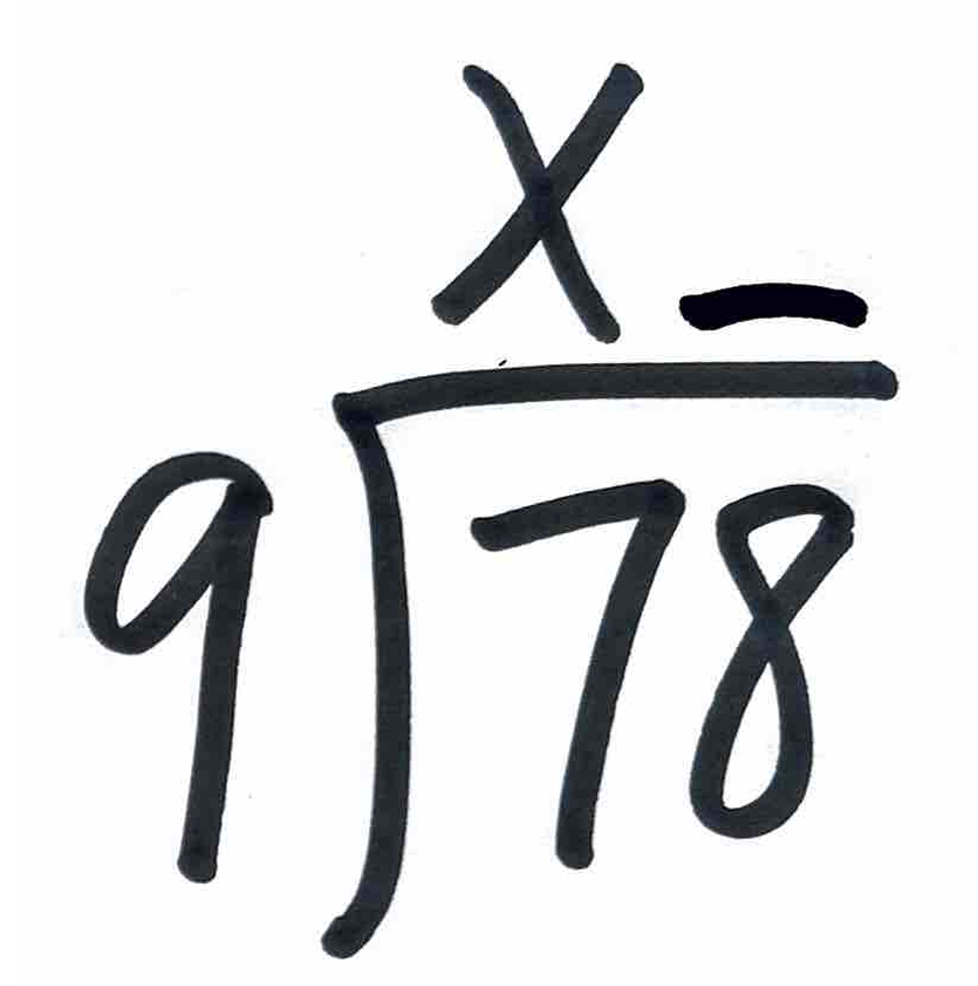
1-Digit Quotients (aka 1 Division Cycle)
We say- “7 is not enough to make a group of 8, but 78 is enough. My quotient won’t have a tens place and will only be one-digit.”
And yes, we spend and ENTIRE LESSON on problem just like this one.
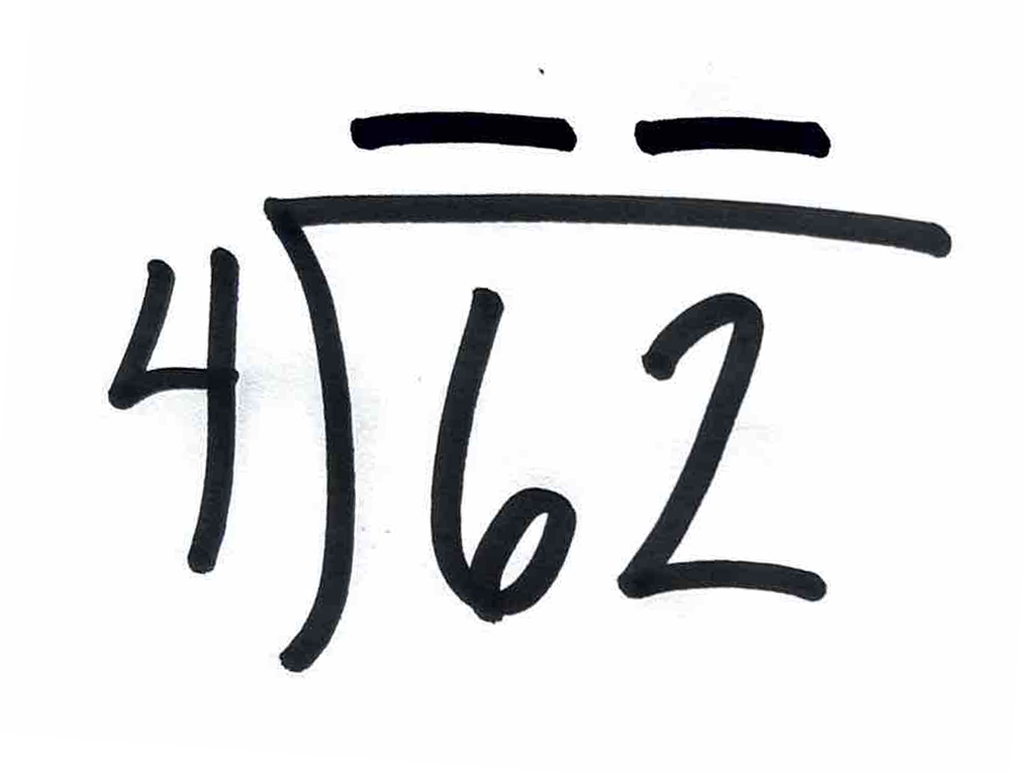
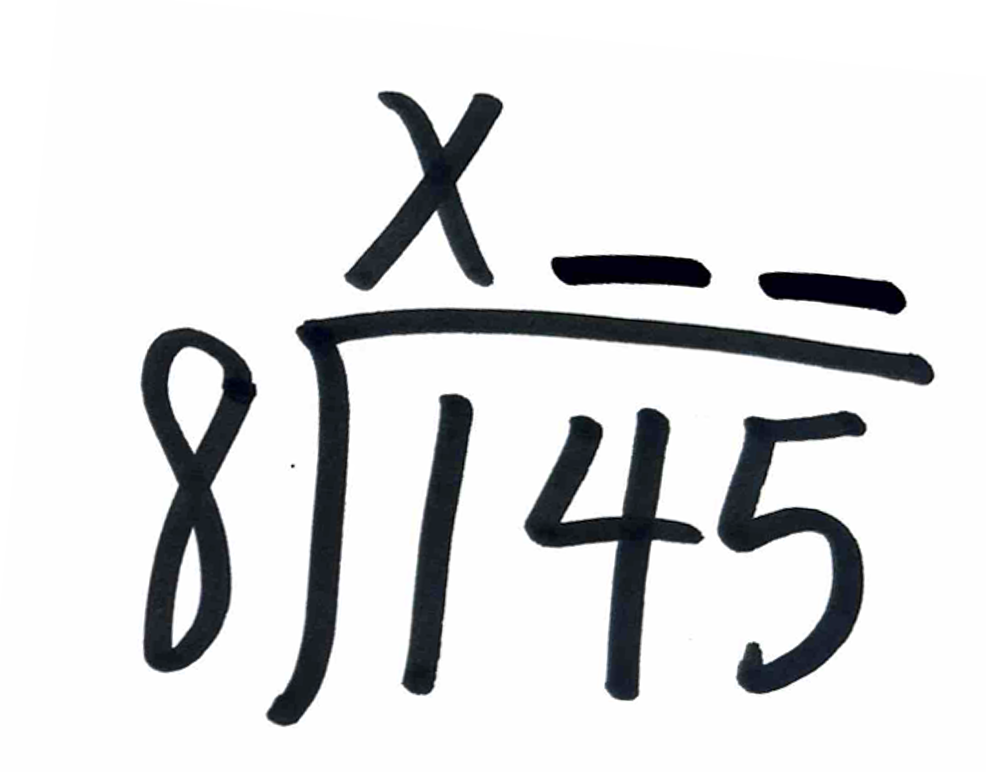
2-Digit Quotients (aka 2 Division Cycles)
We say- “6 is enough to make a group of 4. My quotient will have a tens and a ones place.”
We say- “1 is not enough to make a group of 8, but 14 is enough. My quotient will not have a hundreds place. It will have tens and ones.”
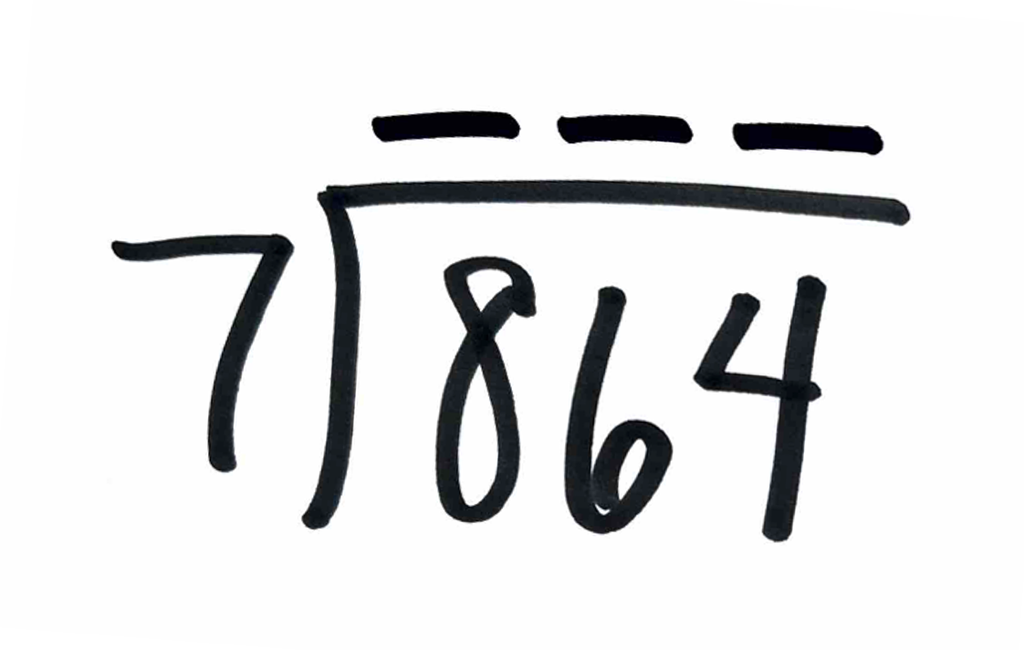
3-Digit Quotients (aka 3 Division Cycles)
We say- “8 is enough to make a group of 7. My quotient will have a hundreds, tens, and ones place.”
We say- “1 is not enough to make a group of 5, but 14 is enought. My quotient will have a hundreds, tens, and ones place.”
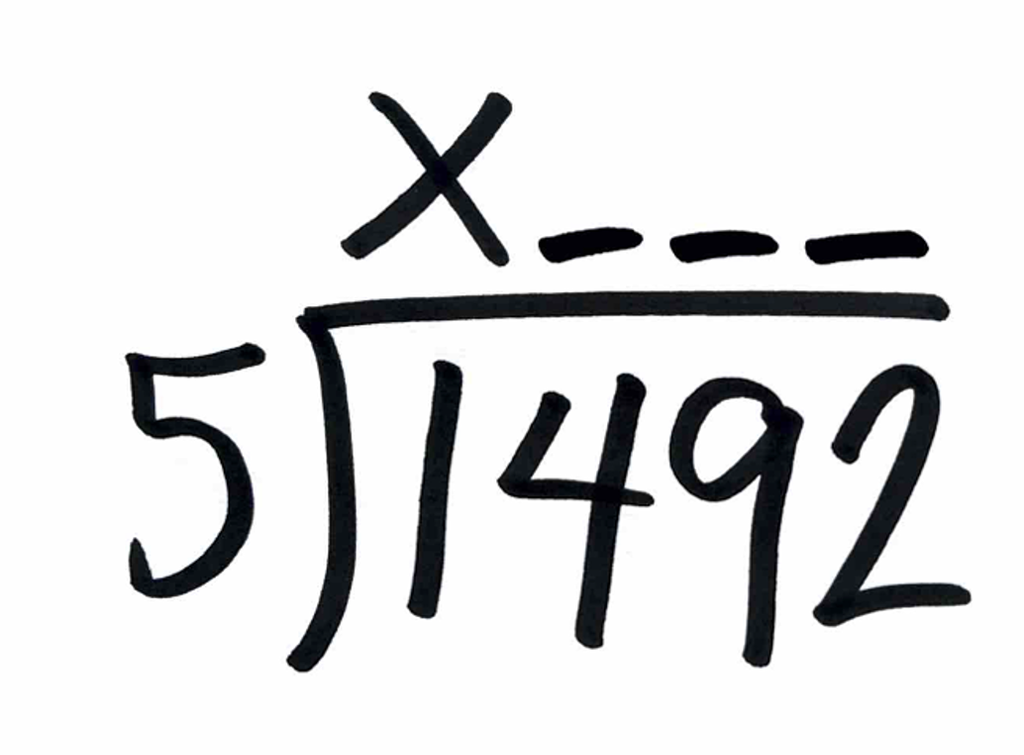
4-Digit Quotients (aka 4 Division Cycles)
We say- “8 is enough to make a group of 6. My quotient will have a thousands, hundreds, tens, and ones place.”
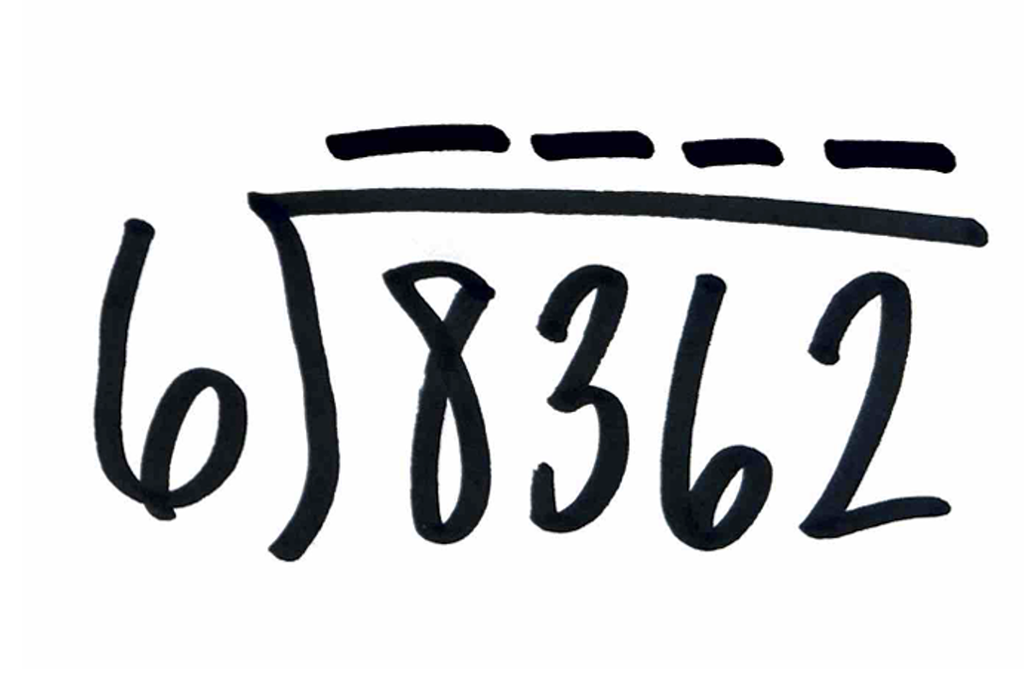
Have you ever watched a kid perform long division and end up with more digits in their quotient than they had in the number they were dividing? Yeah me too. It’s painful. And it’s because they don’t have a plan before they start. They are just mindlessly bringing down numbers and using Does McDonald’s Sell Burgers without a hope or a prayer. Let’s give them a PLAN instead.
When the number seats are full, our problem is complete. We circle our final remainder and move on with our day.
Division Tip 4: The Division Song (ok just kidding this is your real BFF)
Now that we have scaffolded by the size of our quotient and set up our number seats, we get to the fun song. The division song.
Friends, we get to sing our way through every single long division problem.
I give you, the only Long Division song that includes skip counting in the words of the song. Fact Fluency practice is built into every step! Be still my heart!
This song is the meat and potatoes. This is HOW you actually divide.
The problem I use in this example is 476 divided by 9.
Here are the lyrics to the song:
- You must count by 9, don’t pass 47.
- 9, 18, 27, 36, 45 (five fingers)
- Five pops up and I know 5 x 9 = 45
- Hook your line subtract! Subtract, subtract, subtract.
- 47 – 45 = 2
- Pull down the shade, every time we pull down the shade.
- You must count by 9 don’t pass 26.
- 9, 18, 27 (whoops too far.. two fingers)
- Two pops up and I know 2 x 9 = 18
- Hook your line subtract! Subtract, subtract, subtract.
- 26 – 18 = 8
- My quotient is 52 r 8
The beauty of this Division Song:
- The words to the song are the method
- Learn the song and you can solve any division problem out there
- Unlike “Does McDonald’s Sell Burgers” we are actually using math language as we solve the problem.
- Skip counting is built in. We continue to practice our facts at every single turn!
Division Tip 5: Interpret the Remainder Like a Pro
Ok, you’ve mastered division but now DIVISION WORD PROBLEMS are giving you the blues.
In 4th grade, we need to be prepared to do two things with a remainder:
- Ignore the remainder: We don’t have enough to make another group, so we get rid of it or save it for later
- Add another group to cover the remainder: Our remainder is important and can’t be left behind, so we add another incomplete group
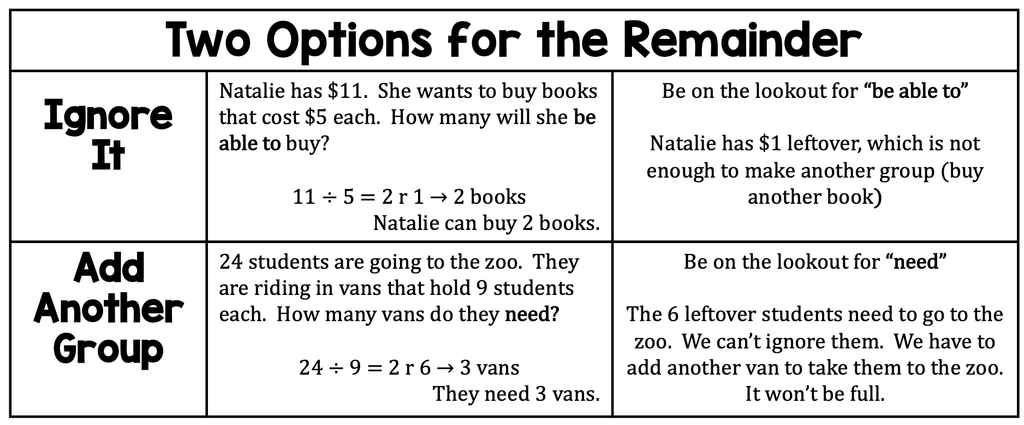
Note: In fourth grade, we don’t worry about expression the remainder as a fraction or a decimal. That comes in future grades.
Yikes, Sally! I feel like I still need more support!
I’ve got you! Here’s my full 4th grade division unit. 8 days to total mastery.
Built on number seats and the division song. Scaffolded by the size of the quotient. With two days on interpreting the remainder.
All 8 lesson packets include:
- Teacher-Lead Examples
- Partner Work
- Independent Practice (3 scaffolded pages)
- Challenge Page for Early Finishers
- Exit Ticket
But IF I FIND OUT you attempt this unit before teach skip counting songs, I will hunt you down. I will!
How to Teach Long Division: Final Thoughts
Here’s the thing about long division. It isn’t one skill. It’s four skills stacked on top of each other, and when a kid falls apart in the middle of a problem, it’s almost never because they don’t understand division. It’s because one of the pieces underneath was never solid.
So when it goes sideways, back up instead of pushing forward.
- No fact fluency? Go back to skip counting.
- Quotients with too many digits? Go back to Number Seats.
- Lost in the middle of a problem? Go back to the song.
- Right answer, wrong response to the word problem? Go back to the meaning of the numbers in the problem.
You don’t need a new curriculum. You need to know which piece is missing.
Start with fact fluency. Scaffold by the size of the quotient. Set up your Number Seats. Sing the song. Then teach them what to do with what’s left over.
That’s it. That’s the whole thing.
And listen to me when I tell you this. The first time a kid who has been drowning in long division all year sets up their seats, sings their way through, and lands the answer without you? Worth every minute of the skip counting.
You’ve got this.
Math love,
Sally 💛
How to Teach Long Division: FAQs
What grade do students learn long division?
Long division starts in 4th grade, where students divide up to 4-digit numbers by a 1-digit divisor. In 5th grade, they move on to 2-digit divisors. Everything in this post is written for that 4th grade year.
How do you teach long division step by step?
Get to solid fact fluency first. Scaffold by the size of the quotient — one day on 1-digit quotients, then 2-digit, and so on — and set up Number Seats before every problem so students know how many cycles to expect. Then teach the division song, one cycle at a time.
What is the easiest way to teach long division?
Give students a plan before they pick up a pencil. Number Seats tell them how many digits their answer will have, and the division song walks them through each cycle in math language they can actually say out loud. The combination is what makes it stick.
Why do students struggle with long division?
Nine times out of ten it isn’t the division — it’s the multiplication facts underneath it. A student who stops mid-problem to hunt for 7 × 8 on a chart loses track of where they were. Fix the fact fluency and most long division problems fix themselves.
Should I teach partial quotient division or the standard algorithm?
Partial quotients can be a helpful bridge for students who need to see the “why” behind division, since it keeps the place value visible. But it doesn’t replace the standard algorithm — your students will still need that. If you’re teaching partial quotients, use it to build understanding, then move to the algorithm for efficiency.
What’s wrong with Does McDonald’s Sell Burgers?
Nothing, if all you need is the order of the steps. The problem is that’s all it gives you. It tells a kid to divide, but not how to divide — and “divide” is the exact step where they get stuck. It uses no math language, so nobody is thinking about groups or place value while they chant it. And it gives them no plan, which is how you end up with a quotient longer than the number they started with. It’s a memory trick for the order. It is not a method. We need the skip counting songs embedded in the method!
What if my students don’t know their multiplication facts?
Pause division and spend a week on skip counting songs. It feels like losing time, but you’ll gain it back three times over. Trying to teach long division without fact fluency is teaching the same lesson over and over and wondering why nothing sticks. My former students (many of whom are grown adults) come up to me all the time to tell me they still use their skip counting songs!
How long does it take to teach long division?
Once fact fluency has been established, kids can master long division in 8 days. Here’s my full division unit!