Have you heard of Unit Zero? It’s the sneaky first unit we slide in before jumping into new content.
You probably already know that launching into new material on Day 1 is a mistake. We have systems and routines to teach. We need to build a positive classroom culture. Our students likely have gaps from the previous grade level. And let’s not forget our old friend, The Summer Slide.
Meet your new BFF: Unit Zero!
Table of Contents
The Benefits of Starting with a Review Unit
Early wins build investment. Easier content gives your students a small dose of success early and builds investment in your class.
Teach routines without the overwhelm. You can teach classroom routines and systems without also scrambling to introduce new skills. It’s a lot easier to teach the procedure for a Turn-and-Talk or passing in papers with a basic addition problem than with a rigorous division question.
Strategic gap-filling. Choosing your Unit Zero strategically fills in key content gaps so you’re ready to hit the ground running. Know your first unit is on decimal place value? Start with whole number place value! Need your 6th graders ready to divide fractions? Try a fraction review unit!
Six Units. One Job: Get Your Students Ready.
Here’s the thing, you could build a Unit Zero from scratch. Dig through last year’s standards, hunt down review worksheets, piece together routines practice. Or you could spend that energy on literally anything else, because I’ve already done it for you.
Six complete, ready-to-teach Unit Zero options:
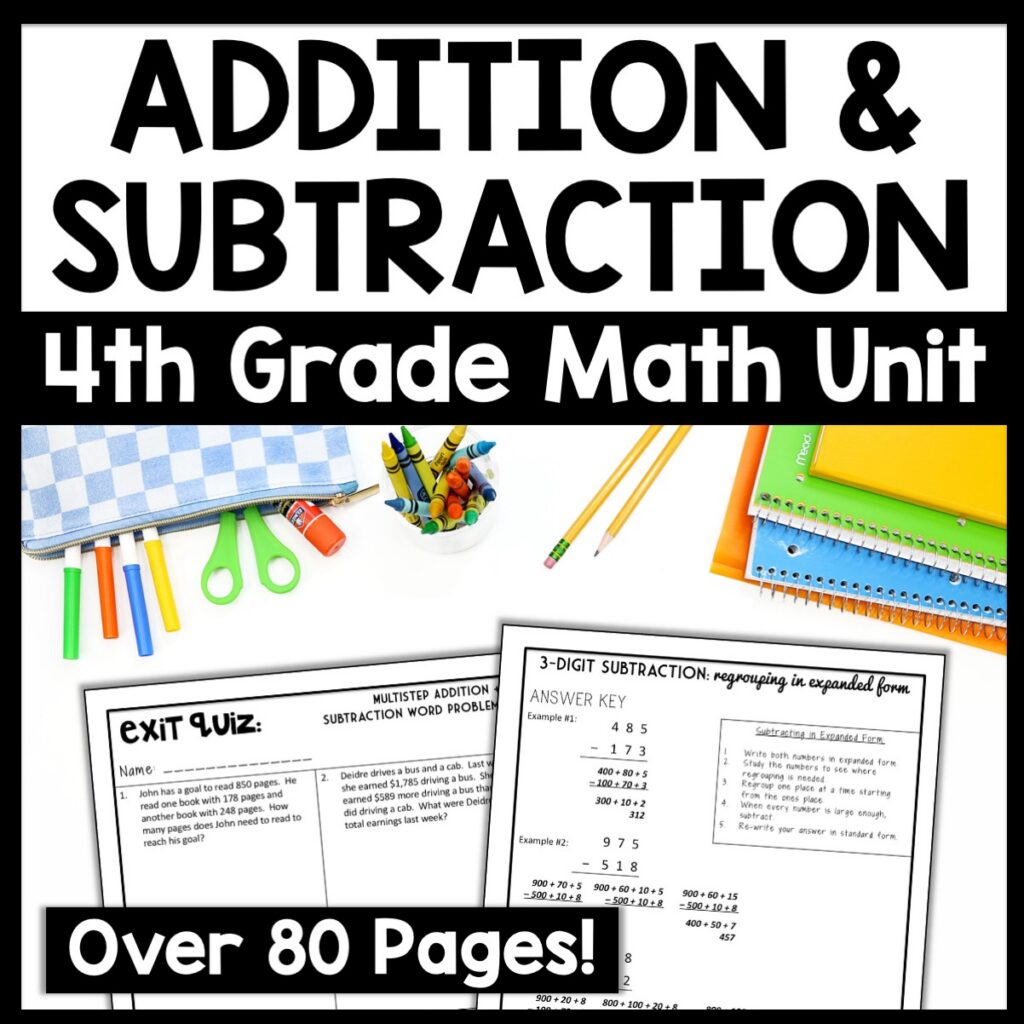
- Addition & Subtraction — the confidence-builder for incoming 4th graders
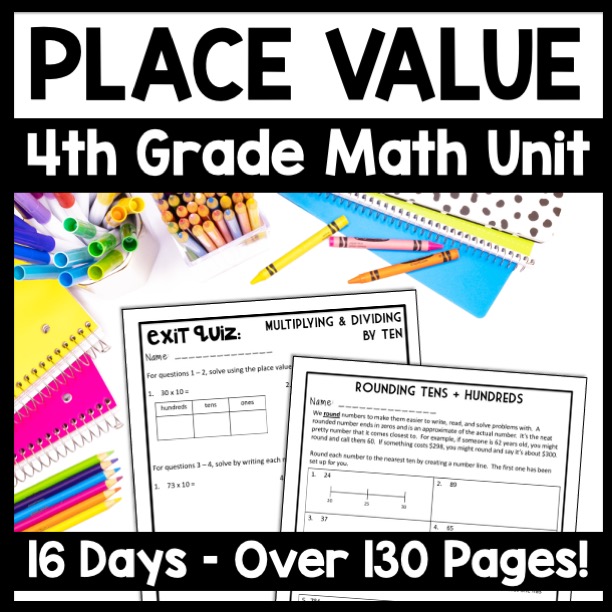
- Whole Number Place Value — the runway to decimal place value
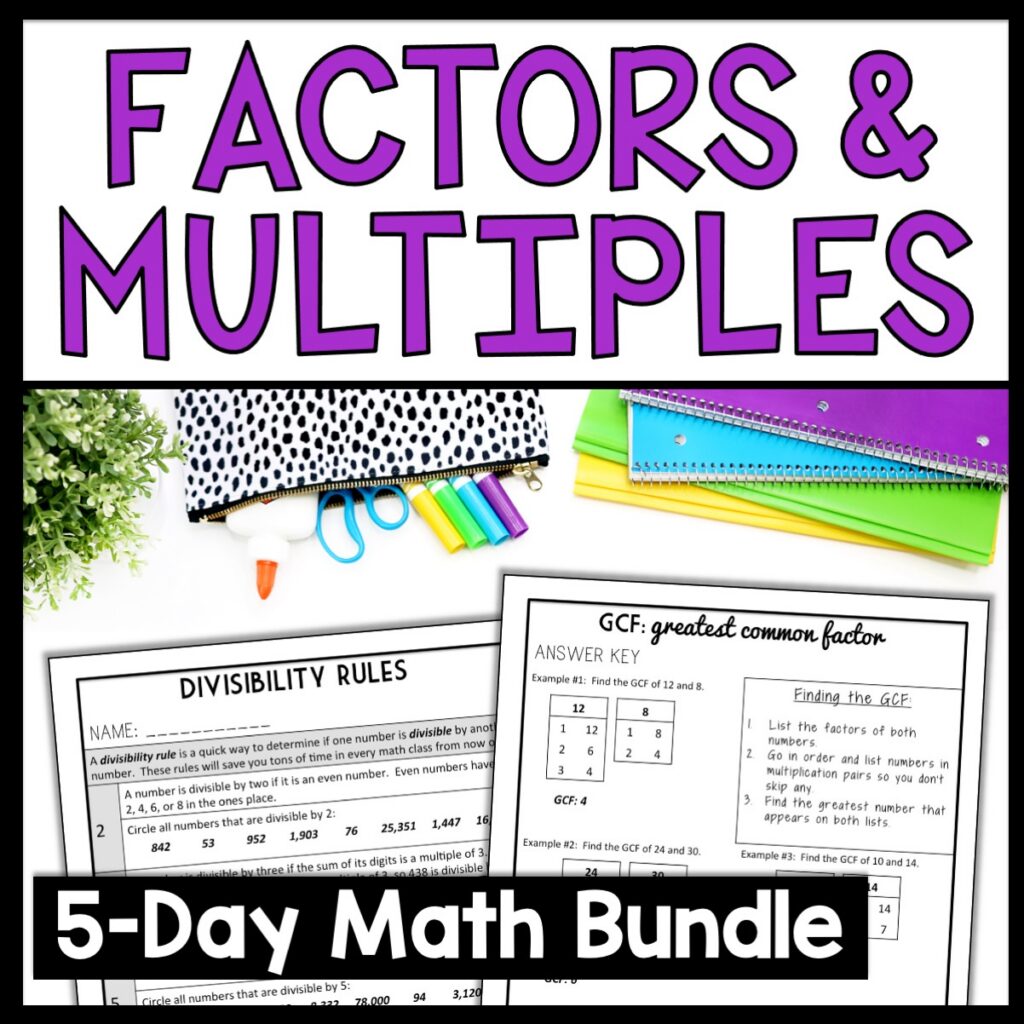
- Factors & Multiples — the groundwork for fraction operations
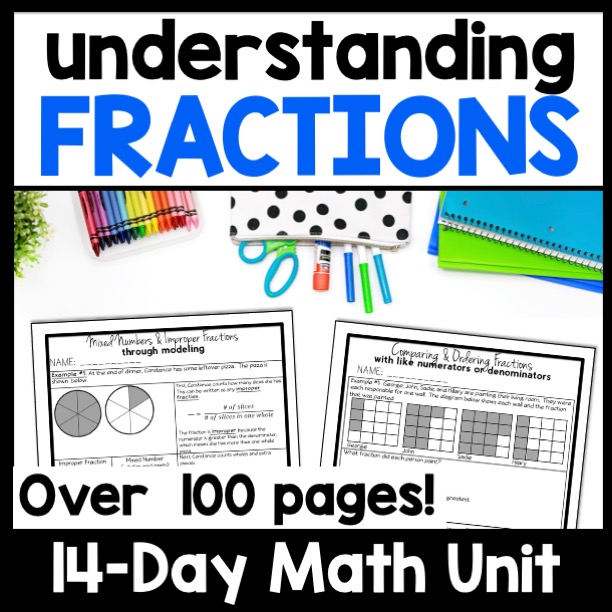
- Understanding Fractions — every fraction concept your 5th graders should already know
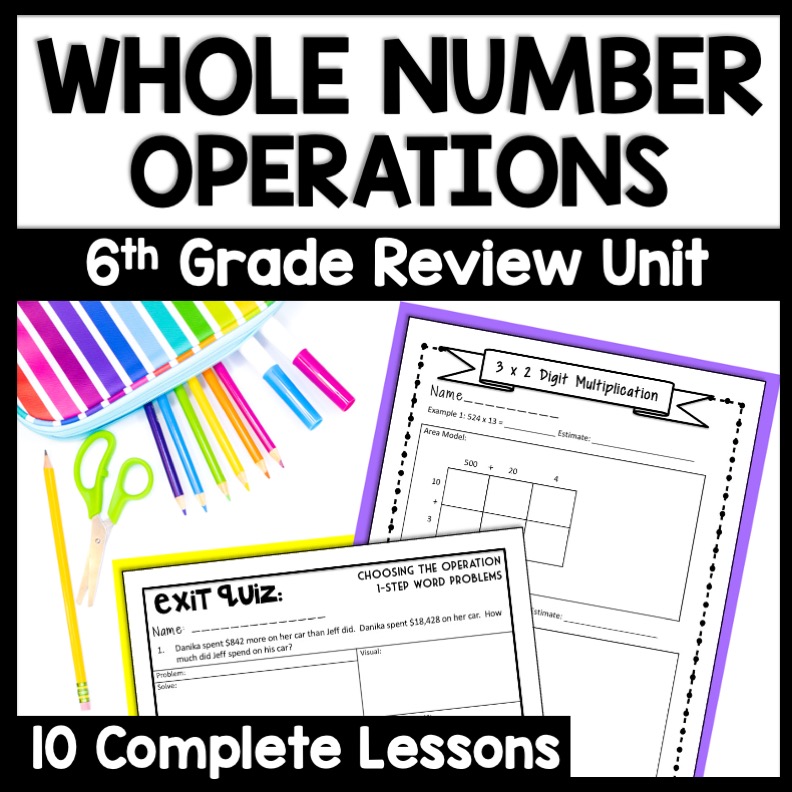
- Whole Number Operations — the middle school reset button
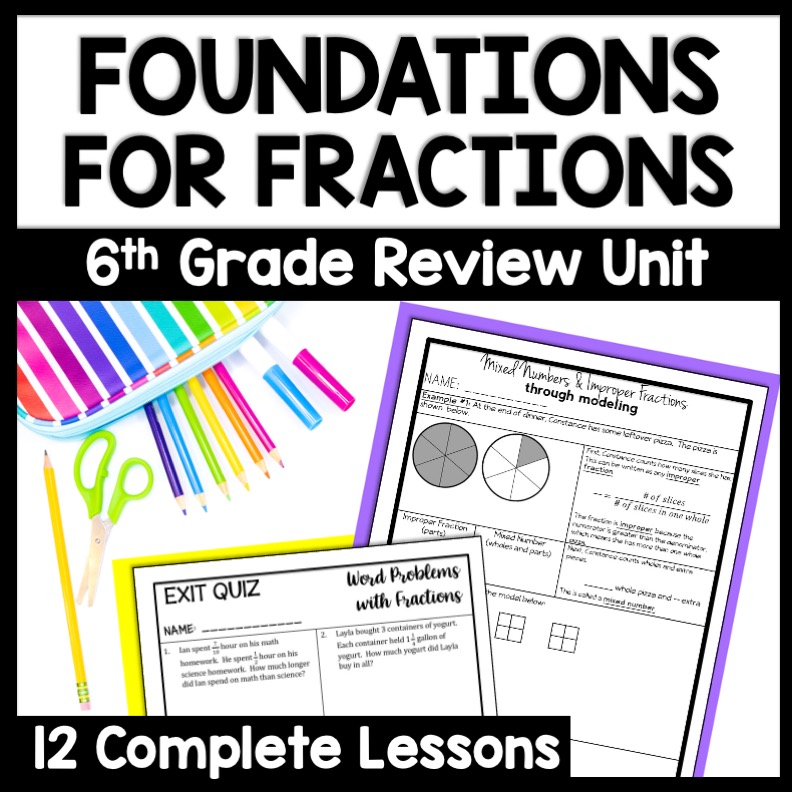
- Foundations for Fractions — everything a 6th grader needs before fraction division
Every unit comes with full lesson plans, practice, and a daily exit quiz. No prep scramble. No cobbling. Day 1, you’re ready.
Which Unit Zero is Right for Me?
4th Grade Teachers: Start with Addition & Subtraction! This unit goes back to basic 3rd grade addition and subtraction of 2 and 3-digits before we build to larger numbers.
5th Grade Teachers: Whole Number Place Value, Factors & Multiples, or Understanding Fractions all lay essential groundwork for 5th grade content.
6th–8th Grade Teachers: Whole Number Operations or Foundations for Fractions are designed to give middle school students the basics and the confidence to tackle more rigorous math skills.
Why two different fraction units?
Understanding Fractions is fraction concepts (equivalence, comparing/ordering, fractions greater than one) and is designed for incoming fifth graders. Foundations for Fractions is fraction concepts plus fraction operations and is designed for incoming sixth graders.
Try Before You Buy: FREEBIES!
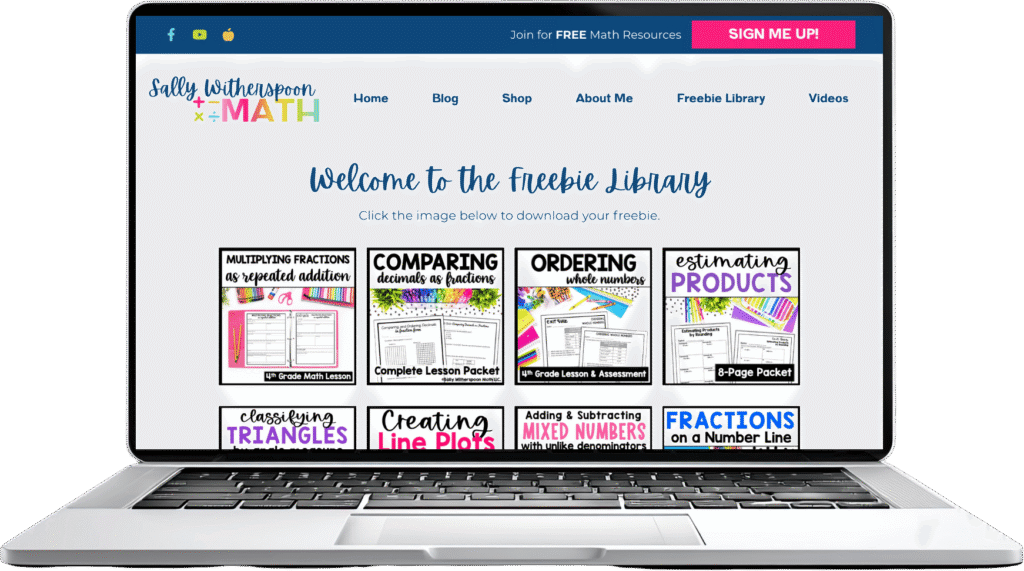
Still on the fence? Grab these free sample lessons from the units:
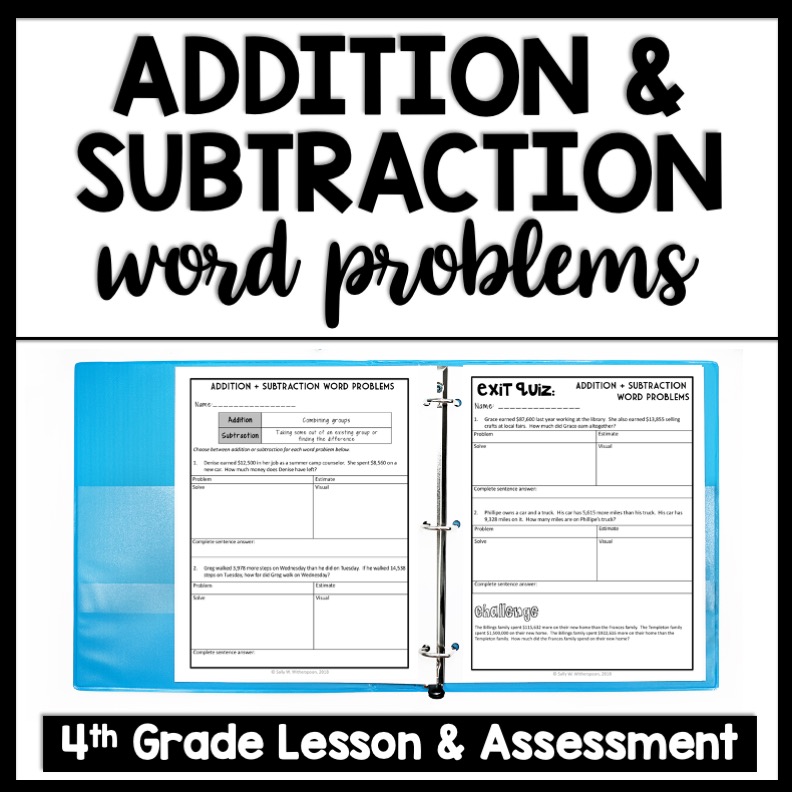
- Whole Number Addition & Subtraction Word Problems Lesson
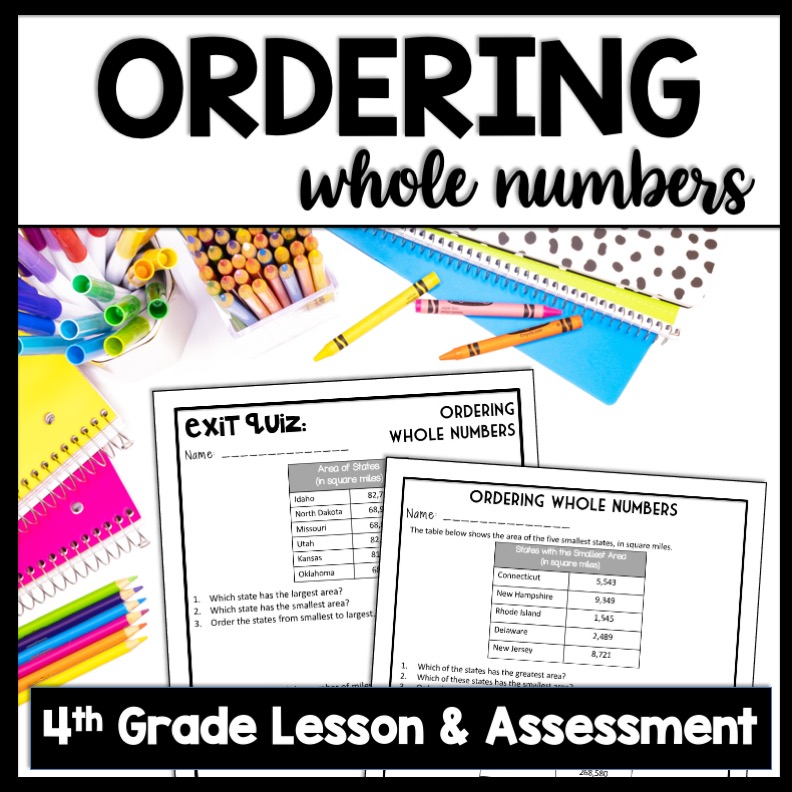
- Ordering Whole Numbers Lesson
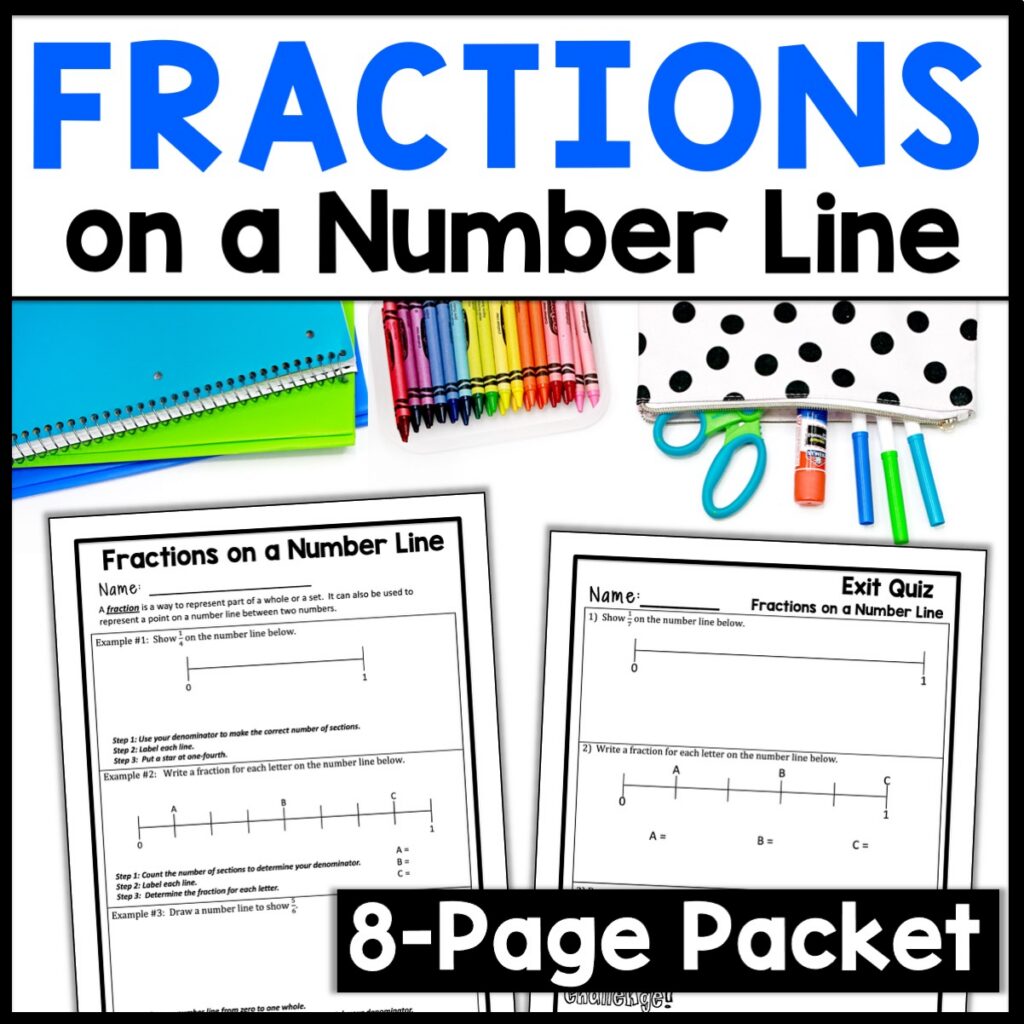
- Fractions on a Number Line Lesson
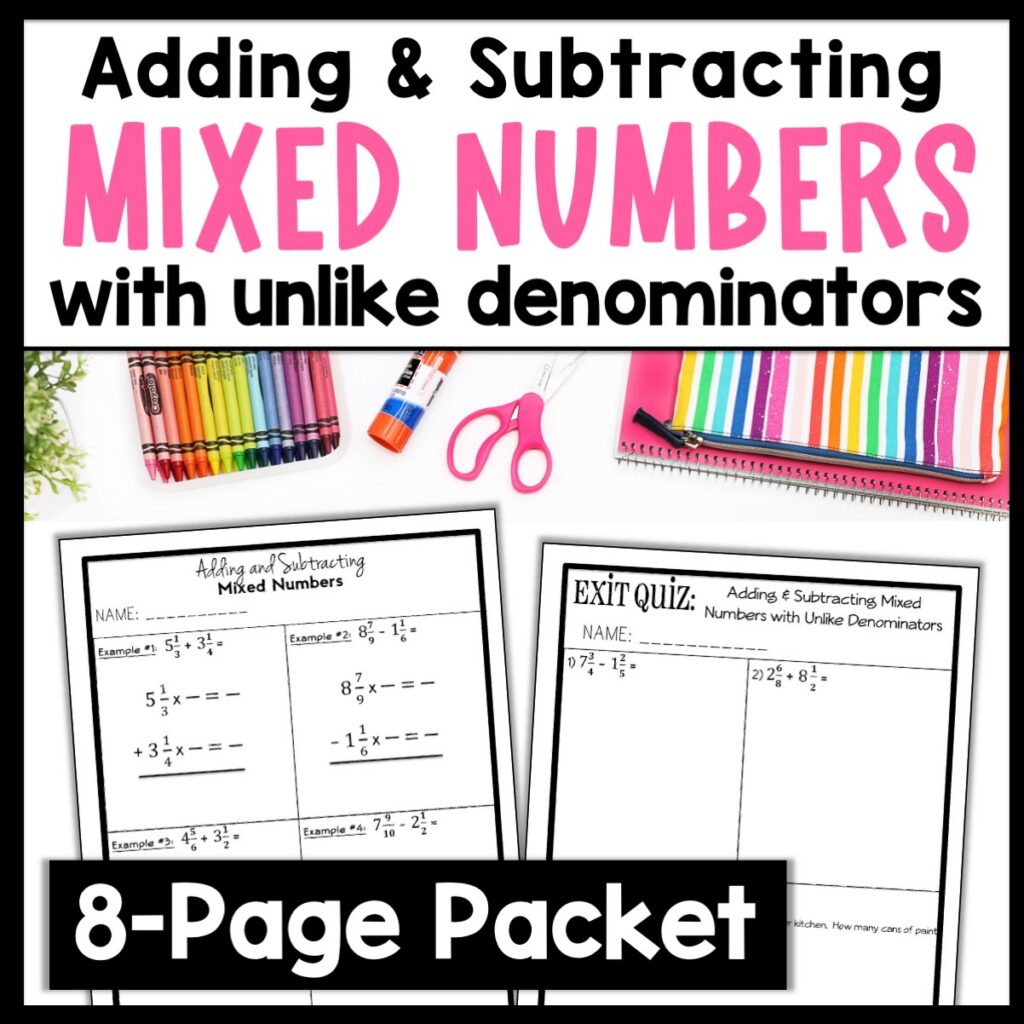
- Adding & Subtracting Unlike Mixed Numbers Lesson
Your First Week, Already Done
Think about what the first week of school actually costs you: late nights hunting for review materials, cobbling together routines practice, hoping you’ve guessed the right gaps to fill. A Unit Zero unit takes all of that off your plate. And for less than the cost of a takeout dinner.
Your students get early wins. You get your classroom routines in place. Everyone starts new content ready to rock and roll. That’s not a splurge; that’s the best investment you’ll make all year.
Pick the unit that matches your grade level, and start Day 1 with a plan instead of a scramble.
Math love,
Sally 💛
Frequently Asked Questions
What is a Unit Zero? A Unit Zero is a short review unit taught at the start of the school year, before your first unit of new content. It reviews prior grade-level skills while giving you space to teach classroom routines and build culture.
Why not just start with new content on Day 1? Because you’d be teaching new skills, new routines, and new expectations all at once — while students are still shaking off the Summer Slide. Easier review content lets students experience success early, which builds investment in your class.
How do I choose the right Unit Zero? Work backward from your first real unit. Starting with Decimal Place Value? Review Whole Number Place Value first. Heading toward fraction division in 6th grade? Foundations for Fractions gets students ready.
What’s the difference between Understanding Fractions and Foundations for Fractions? Understanding Fractions covers fraction concepts only — equivalence, comparing/ordering, fraction/decimal equivalents, and fractions greater than one whole. Foundations for Fractions condenses those concepts and adds addition, subtraction, and multiplication of fractions.
Can I try a lesson before buying a full unit? Yes! Free sample lessons are linked above so you can see exactly how the units work before you commit.
Does a Unit Zero put me behind on pacing? It’s the opposite: strategically filling gaps up front means less reteaching mid-unit later. You’ll move faster through new content because students arrive with the prerequisites in place.