Let’s be honest—the first weeks of school can feel like a whirlwind.
New faces. New schedules. New expectations.
And somewhere in the middle of all that… you’re supposed to teach math.
Here’s the thing: you don’t need a Pinterest-perfect classroom to have a strong start.
What you need are a few simple printable math tools that your students will reach for every single day.
Table of Contents
1️⃣ Multiplication Flashcards (Through 12s)
Whether you buy them or print them, there needs to be a set in every desk.
👉 Fact fluency should be part of every lesson, every day.
I have this printable set in my store if you like saving money!
- Put a set in every desk and you have an instant fast finisher activity!
- Keep a set handy and you can drill students when you’re waiting in line the hallway or when a lesson runs short.
- Need more ideas? I have an entire blog post on Mental Math Activities with Flashcards
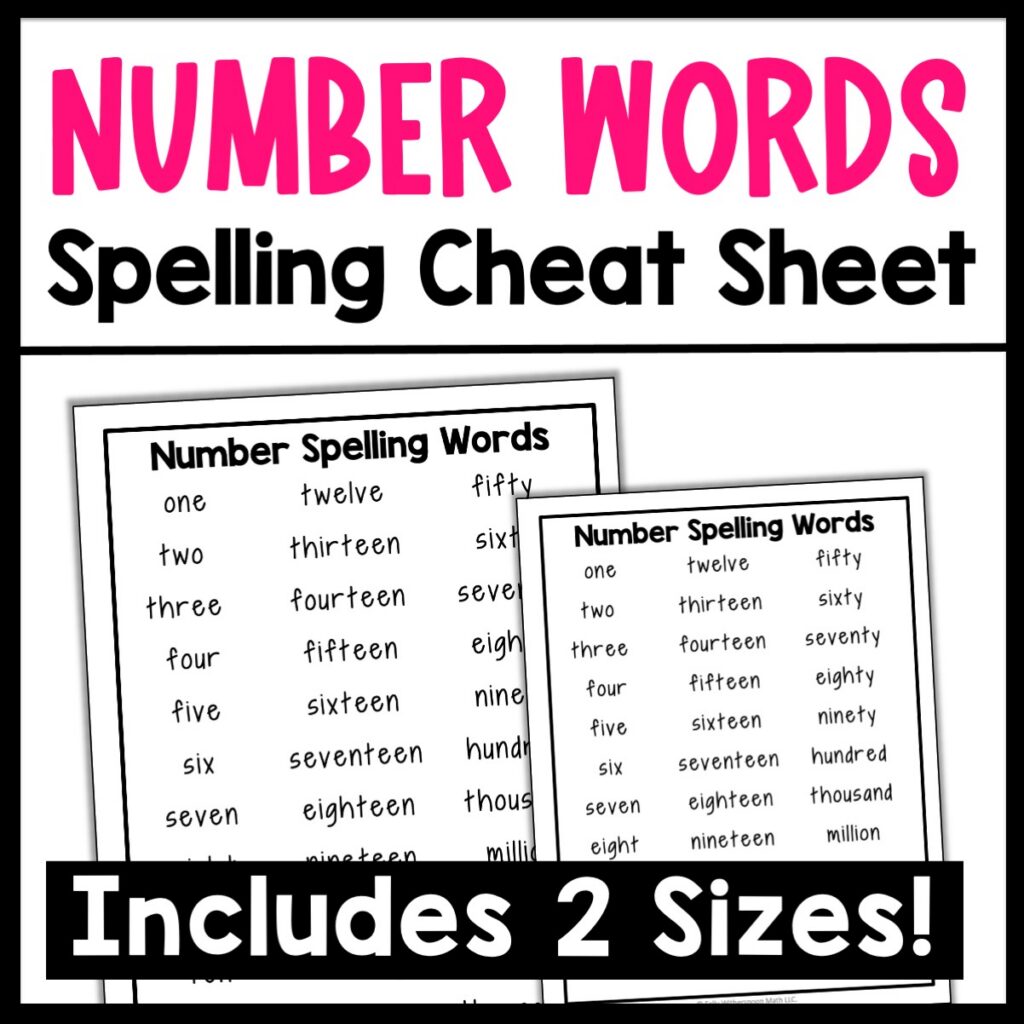
2️⃣ Number Name Spelling Sheets
If you’ve ever been asked how to spell “thousandths” mid-lesson… you get it 😅
Yes, I agree. Fifth graders should know how to spell eighty-nine. But the reality is that…some don’t.
The bottom lined is that kids love delaying work and have a lot learned helplessness. If they can pause work a few minutes to ask you how to spell something, you better believe they will! Anything you can do to foster independence is worth its weight in gold.
This is nothing fancy! A simple sheet with the number names from zero to billions. And include decimals while you’re at it! You can easily make your own or mine is available in my TpT store.
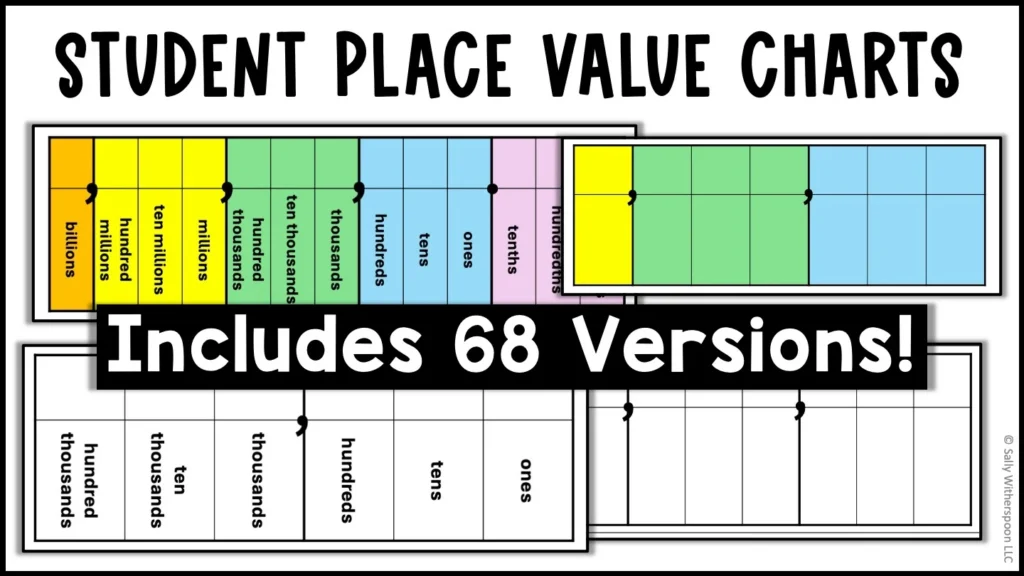
3️⃣ Printable Place Value Charts
I bet you have the PRETTIEST place value chart on the wall.
I hate to be the one to tell you this, but it’s not enough. To successfully master place value with whole numbers and with decimals kids need it taped to their desks.
They need to be able to touch it and interact with it. Even better? Laminate it and they can write directly on it.
Those lessons on Rounding and Multiplying by Powers of 10 just got a whole lot easier.
4️⃣ Measurement Conversion Chart
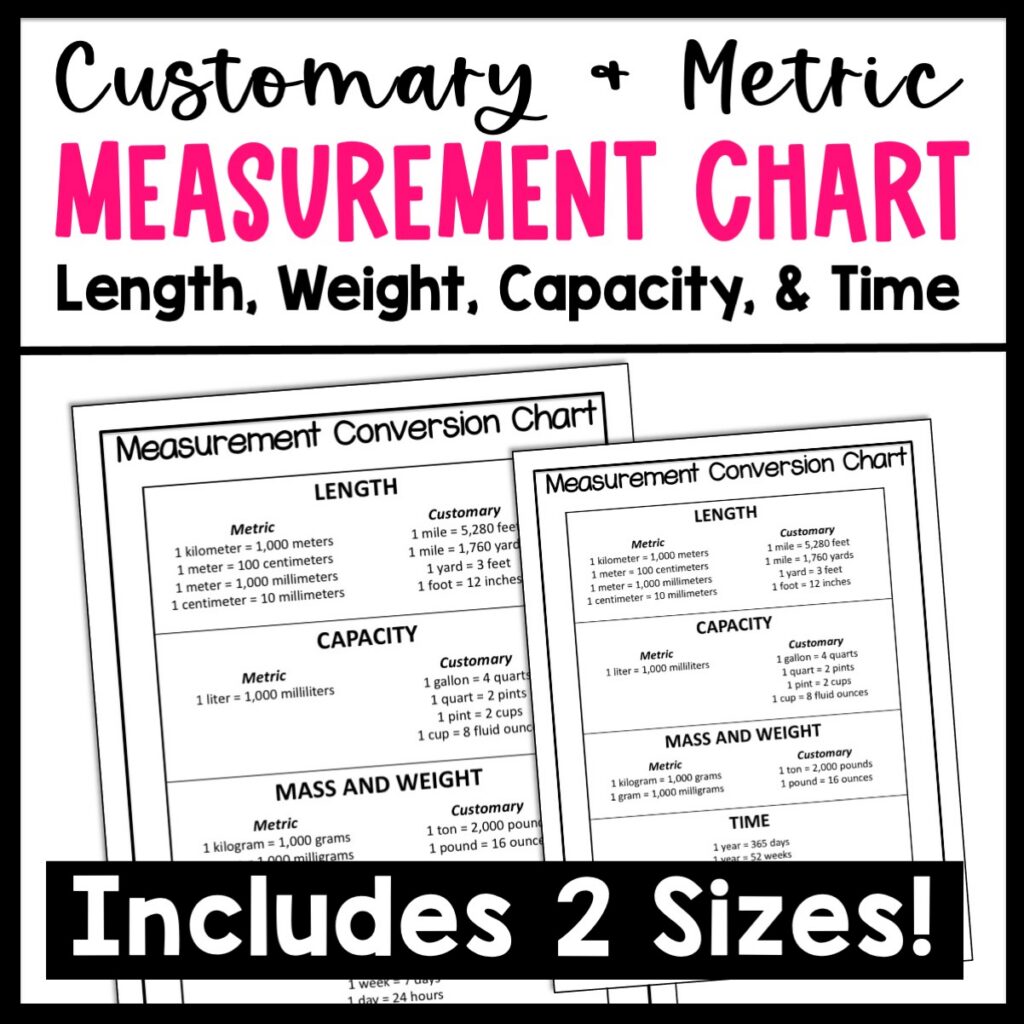
Students are usually allowed to use a conversion chart on their state test, so when you get to your measurement unit they need to practice with it every day.
Print this on card stock, or better yet, laminate it and you can use it year after year!
5️⃣ Back Pocket Math Games
There is literally nothing worse than unexpected downtime. Your lesson runs short and you have 28 sets of eyes staring at you.
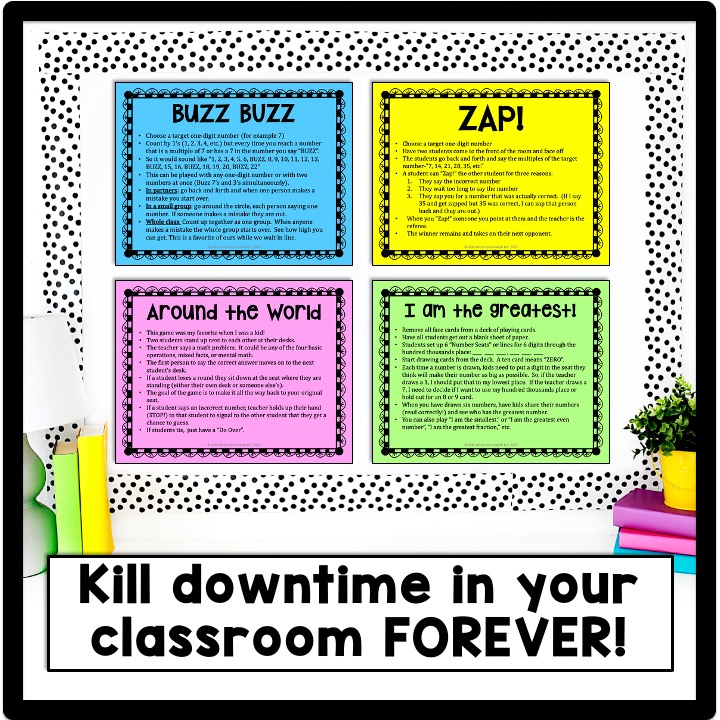
Having a set of “back pocket” games means that whenever you have a few minutes, you can just…. play. You don’t have to remind kids of all the rules to a game!
There are ONE MILLION different mental math games on the internet. I have 10 favorites. I print these on posters and have them on task cards, which allows us to play them whole group, in centers, as early finishers, or waiting in line in the hallway.
Final Thoughts
You don’t need to reinvent your classroom to make it better. Sometimes the biggest shifts come from:
- Simple printable math tools
- Clear routines
- Daily consistency
These printable math tools help create a classroom that feels:
- ✔️ organized
- ✔️ efficient
- ✔️ and supportive for all learners
Start small. Stay consistent. Watch the difference.
Math love, 💛
Sally
FAQs
What math tools should every student have in their desk?
At minimum, every student needs multiplication flashcards (through the 12s) and a number name spelling in their desks or notebooks, a printable place value chart taped to their desk, and a measurement conversion chart during your measurement unit. The go-to math games can be posted around the room or on task cards for early finishers.
How often should students use multiplication flashcards?
Every day, even if it’s just for a few minutes. Short, daily practice builds fact fluency far faster than one long session a week. Consistency is what creates automaticity.
Are math reference sheets like “cheating”?
Not at all. Reference sheets support learning while students are still mastering a concept—just like training wheels. Many state tests even provide conversion charts, so using them daily simply prepares students for real testing conditions.
Do students really need their own place value charts?
Yes. A chart on the wall is something students look at—a chart in their hands is something they use. Touching, writing on, and interacting with a personal place value chart is what makes place value actually click, especially for skills like rounding and multiplying by powers of 10.
What’s the best way to make printable math tools last all year?
Print them on card stock and laminate them (or slide them into dry-erase pockets). Laminated tools survive daily use, can be written on with dry-erase markers, and can be reused year after year.
How do I keep students engaged during downtime?
Have a “back pocket” math game ready to go. Quick, structured games turn transitions and early-finisher time into extra practice—without any prep in the moment. Flashcards inside desks are another easy way to engage fast finishers.
Can these math tools work in other grade levels?
Absolutely. These tools are built for upper elementary (grades 3–5), but they adapt easily—younger students can start with simpler flashcards and charts, and middle schoolers still benefit from conversion charts and fact fluency practice.