

Let’s talk about one of the simplest ways to make a big impact in your math classroom: a daily math fluency routine that actually sticks.
Because here’s the reality: students don’t just need to learn math skills. They need to remember them and often QUICKLY.
That’s where One Minute Math comes in. This quick, structured math fluency routine helps students take what they’ve already learned and commit it to long-term memory through consistent, low-pressure practice.
And the best part? It takes just five minutes a day.
Table of Contents
The Purpose of a “Mad Minute”
The goal of One Minute Math or a math fluency routine is simple:
Take skills students have already learned and move them into permanent, long-term memory.
It does this through three things working together:
- Daily repetition — a little bit every day beats a lot once a week
- Timed practice — one focused minute builds speed and automaticity
- Immediate feedback — students see how they did right away
But let’s be clear about one thing: this should feel fun, not stressful. Done well, it becomes a daily chance for students to build confidence, track their growth, and celebrate progress.
An Important Note Before You Begin
Your math fluency routine is not a teaching tool. It is a review tool. That distinction matters.
If students haven’t mastered a skill yet, timed math fluency practice will likely cause frustration, reinforce bad habits, and chip away at confidence. That’s the opposite of what we want.
Instead, teach the skill during your regular lesson, reteach it during warm ups/homework/morning work, and bring it into this routine only after students have a solid foundation.
If a topic feels too hard during One Minute Math, that’s a signal, not a failure. Go back. Reteach. Then try again later.
How the Routine Works, Step by Step
The entire math fluency routine should take about five minutes. Here’s how to run it:
1. Set Up
Pass out papers face down and briefly remind students of the math topic (multiplication, equivalent fractions, etc.). During the first day or two, you might review a quick example—after that, they won’t need it.
2. Explain the Rules
Make expectations clear: you’ll have one minute, work in numerical order with no skipping, and do your best. This is about progress, not perfection.
3. Start the Timer
Bring the energy! “On your marks… get set… GO!” Project a one-minute timer and keep the atmosphere exciting and upbeat.
4. During the Minute
Students work independently. If someone finishes early, they flip their paper over—loudly! Make finishing early a big deal!
5. Stop and Mark Progress
When time is up, students draw a bold line under their last problem. This keeps things honest and prevents any “sneaky extra answers” from slipping in after time is up.
6. Check Answers
Project the answer key and have students check their own work. Self-checking is my recommendation. It gives every student immediate feedback, which is where the learning happens. It also prevents students asking for repeats with this many problems.
7. Track Results
Students count their correct answers and record their score. Over days and weeks, those scores tell a powerful story of growth.
8. Celebrate Growth 🎉
Recognize highest scores, most improved, and personal bests. This is where motivation builds. Every student has something to celebrate, not just your fastest finishers.
9. Quick Review (30 seconds)
Address one or two common mistakes and any quick clarifications. Keep it short and focused, then move on with your lesson. Remember, 5 minutes or less is the goal!
Making It Fun and Motivating
This math fluency routine works best when it feels like a game, not a test. A few ideas to build that energy:
- Start with a class chant or cheer
- Celebrate “personal records” like an athlete breaking a PR
- Let students track their progress visually
- Build excitement when a student “flips their paper”
Positive energy matters. When students look forward to it, consistency becomes easier!
Tips for Success
A few key things make your math fluency routine smooth and impactful:
- Keep it consistent. Daily practice is what produces real results.
- Keep it short. Five minutes is the sweet spot.
- Don’t skip answer checking. Feedback is where the learning happens.
- Choose the right level. This should be math that students can do mentally, where the goal is increased speed.
- Stick with one topic for a while. One to two weeks lets students actually see their growth.
Ok but which math topics?
When we hear “Mad Minute” we most commonly think of multiplication right? And that’s definitely part of it! But think of all the “mental math skills” that you wish your students could do more quickly in the moment.
- Simplify Fractions
- Improper fraction to Mixed Numbers
- Comparing Fractions & Decimals
- Fraction/Decimal/Percent Equations
- Measurement Conversions
Anything you’d like your students to be able to do quickly in their heads is a good fit for your math fluency block!
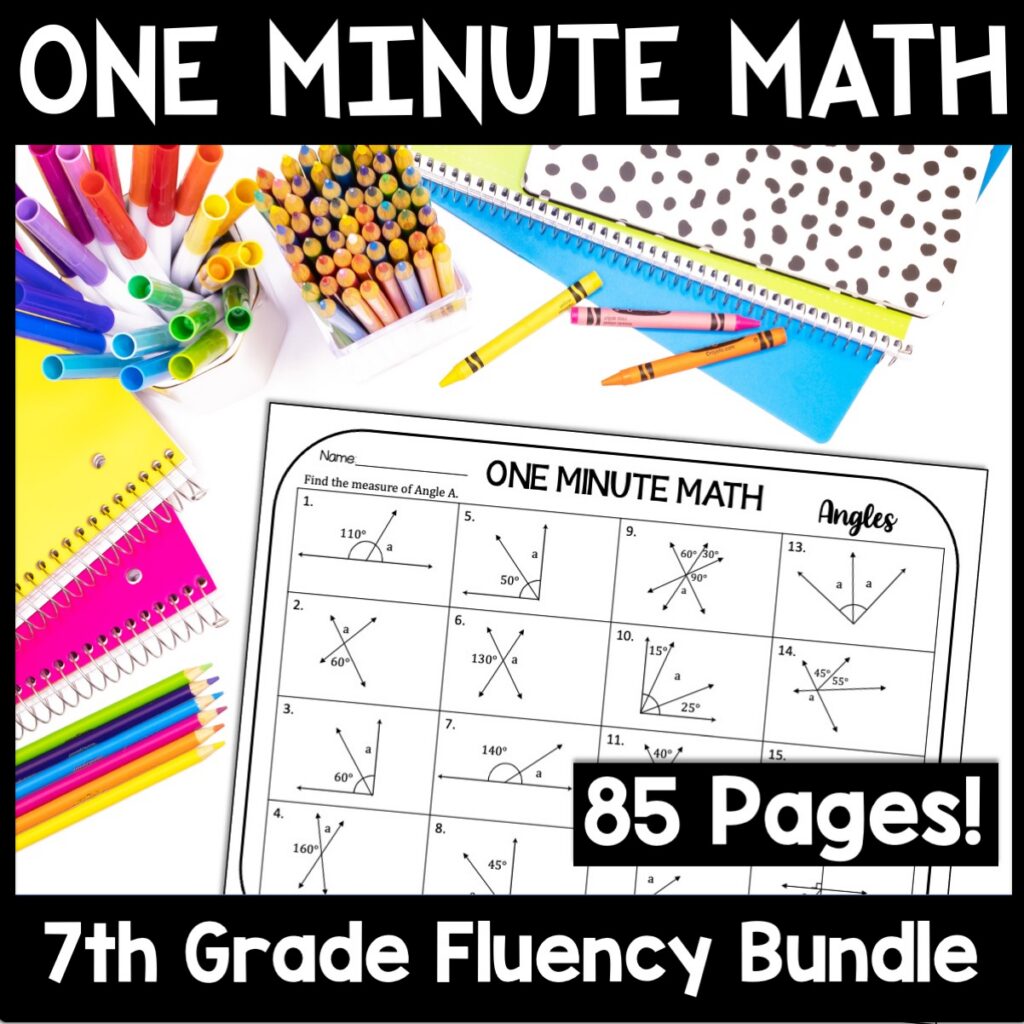
Wishing you had Math Fluency Bundles ready to go?
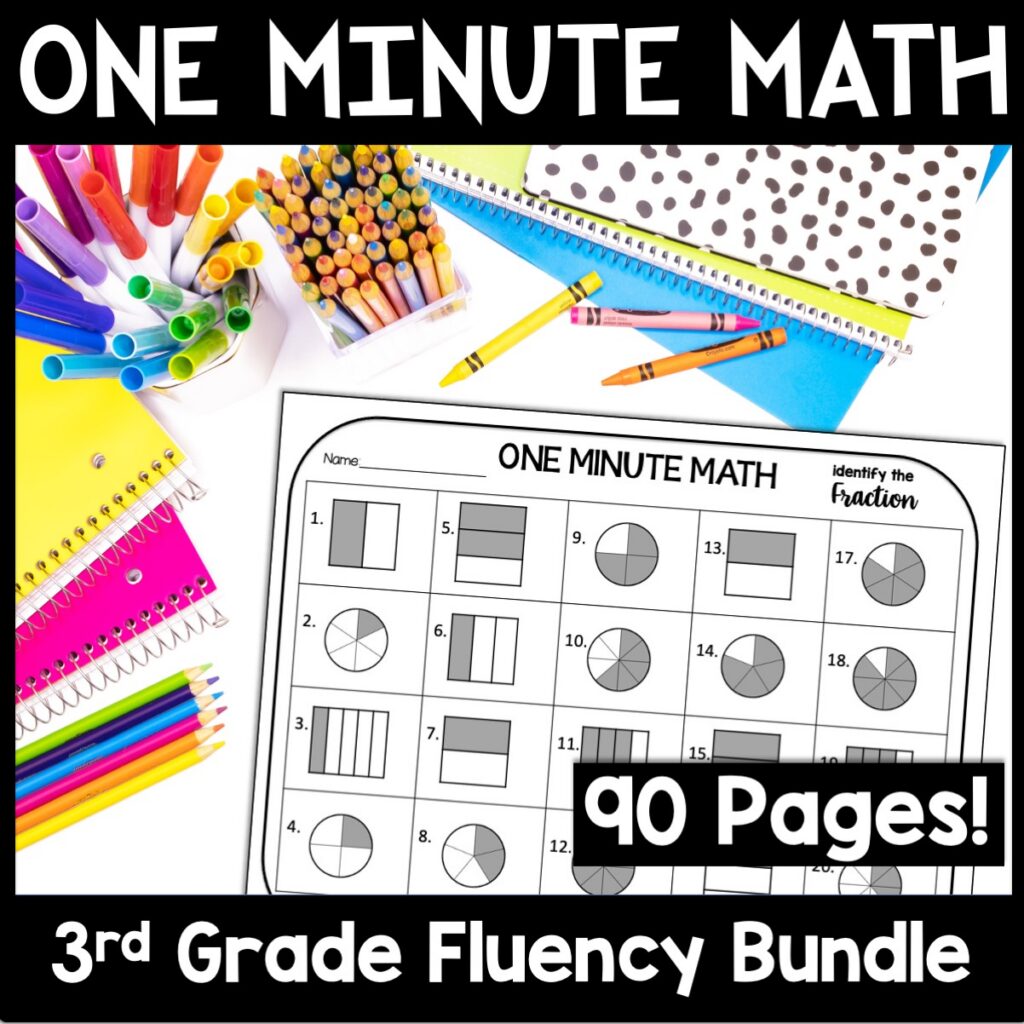
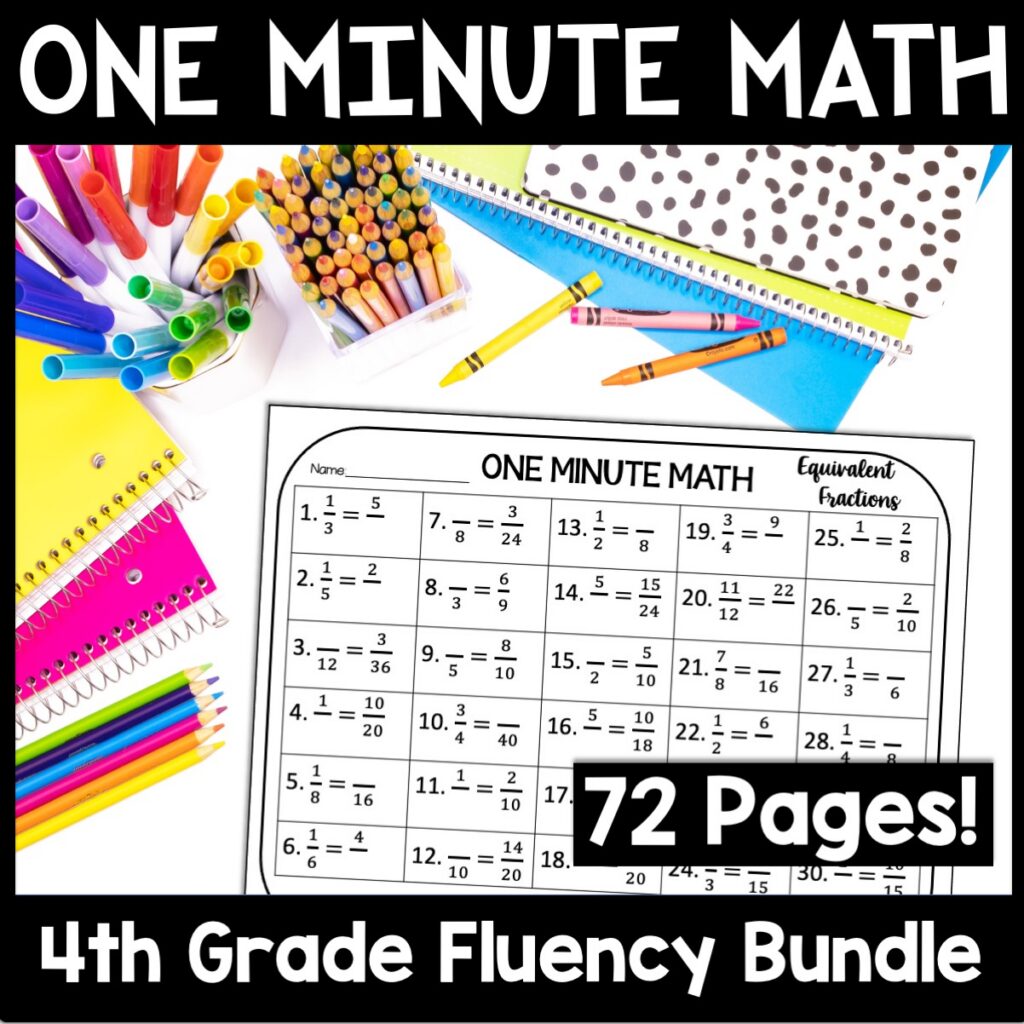
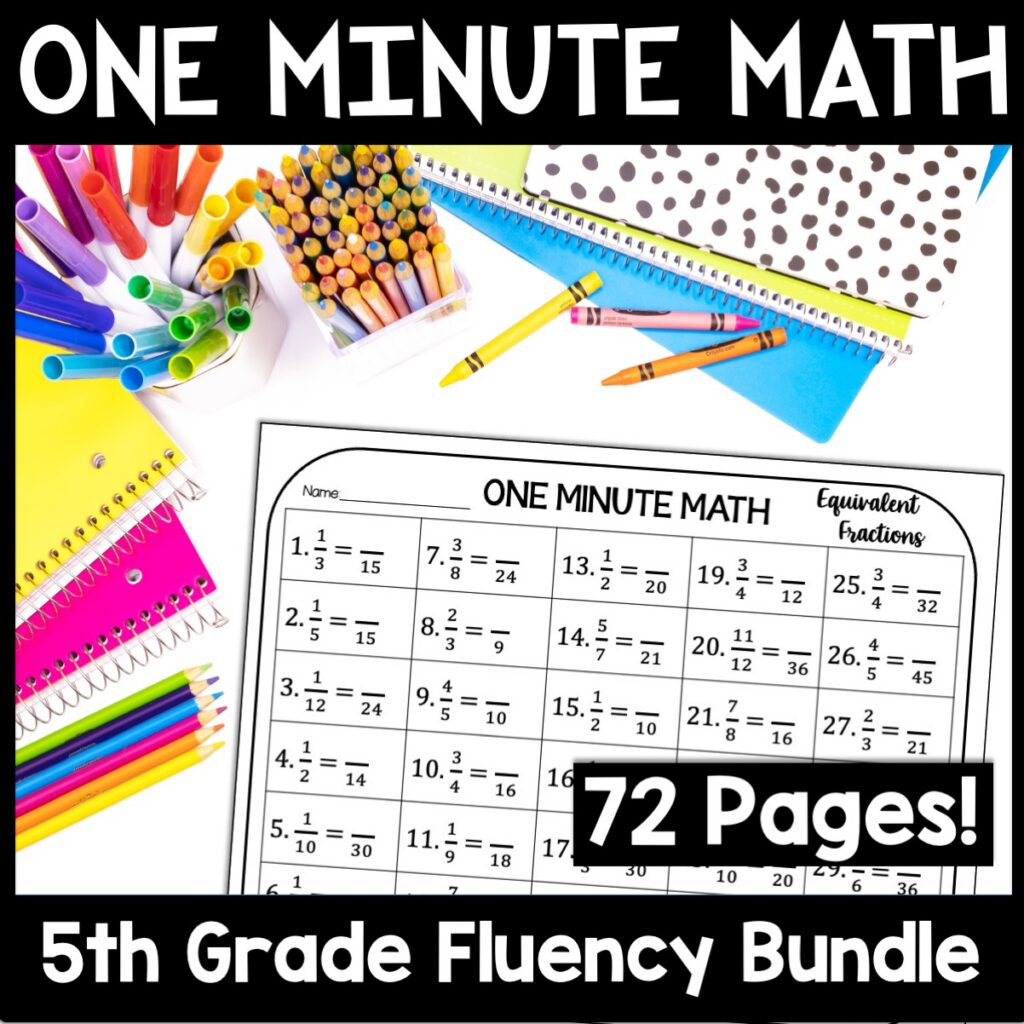
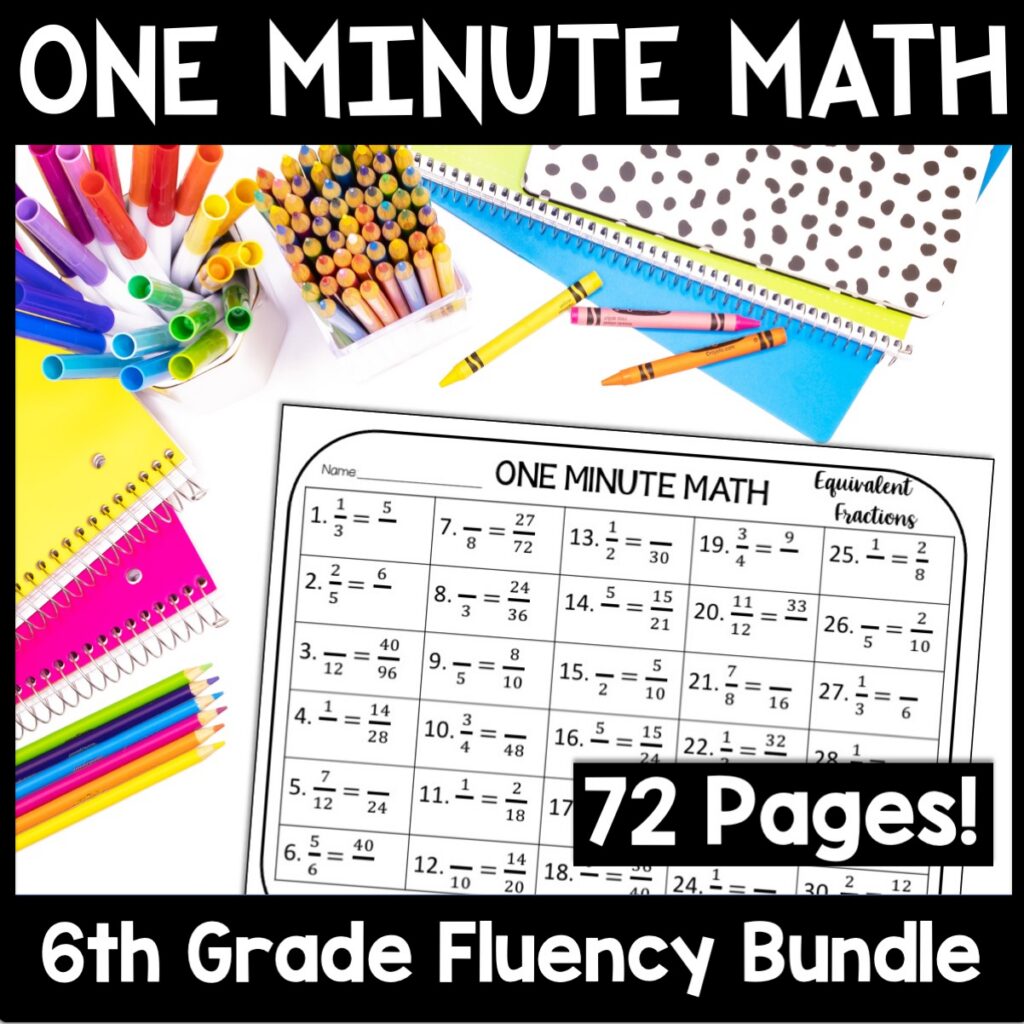
I’ve got you! I created a math fluency bundle for every grade level, allowing you to pick and choose the ones that are just right for you and your class! Start with multiplication and go…literally anywhere!
Final Thoughts
If you’re looking for a simple way to build fluency, boost confidence, and increase engagement—this is it.
Having a math fluency routine isn’t flashy. But it works. Over time, those small daily reps turn into stronger skills, faster thinking, and more confident learners.
Start small. Celebrate everything.
Math love 💛
Sally
FAQs
How long should this math fluency routine take each day?
About five minutes total. If it’s consistently taking longer, revisit your routines or check that the content isn’t too difficult.
When should I use One Minute Math?
Anytime! Many teachers use it at the beginning of class, but it also works well as an energy boost later in the lesson.
How long should I stay on one topic?
Aim for one to two weeks. That gives students time to build confidence and track their progress.
Can I revisit topics later in the year?
Absolutely. Revisiting skills is a great way to reinforce learning and prevent forgetting.
What if the problems are too hard?
Pause that topic and reteach the concept during regular instruction. Go back to an easier topic. Then reintroduce it later.
Can students skip around the page?
No. Working in order ensures students practice a full range of problem types and difficulty levels. Imagine the kid that does all the 1s, 2s, and 0s on a multiplication worksheet!
Do I have to check answers every day?
Yes. Skipping this step reduces both accountability and learning. If kids know you aren’t checking they will “write anything” almost immediately.
What if students try to cheat?
It happens occasionally. Focus on building a positive, supportive environment—students who feel successful are far less likely to cheat.
Can I give more than one minute?
You shouldn’t need to. If students aren’t making progress, the content likely needs more instruction first. Adjust to an easier topic and come back to this one later.
Can I differentiate?
Yes! Students can work on different topics. Just be sure you have a system for checking answers efficiently, like answer keys at desks.


One Response